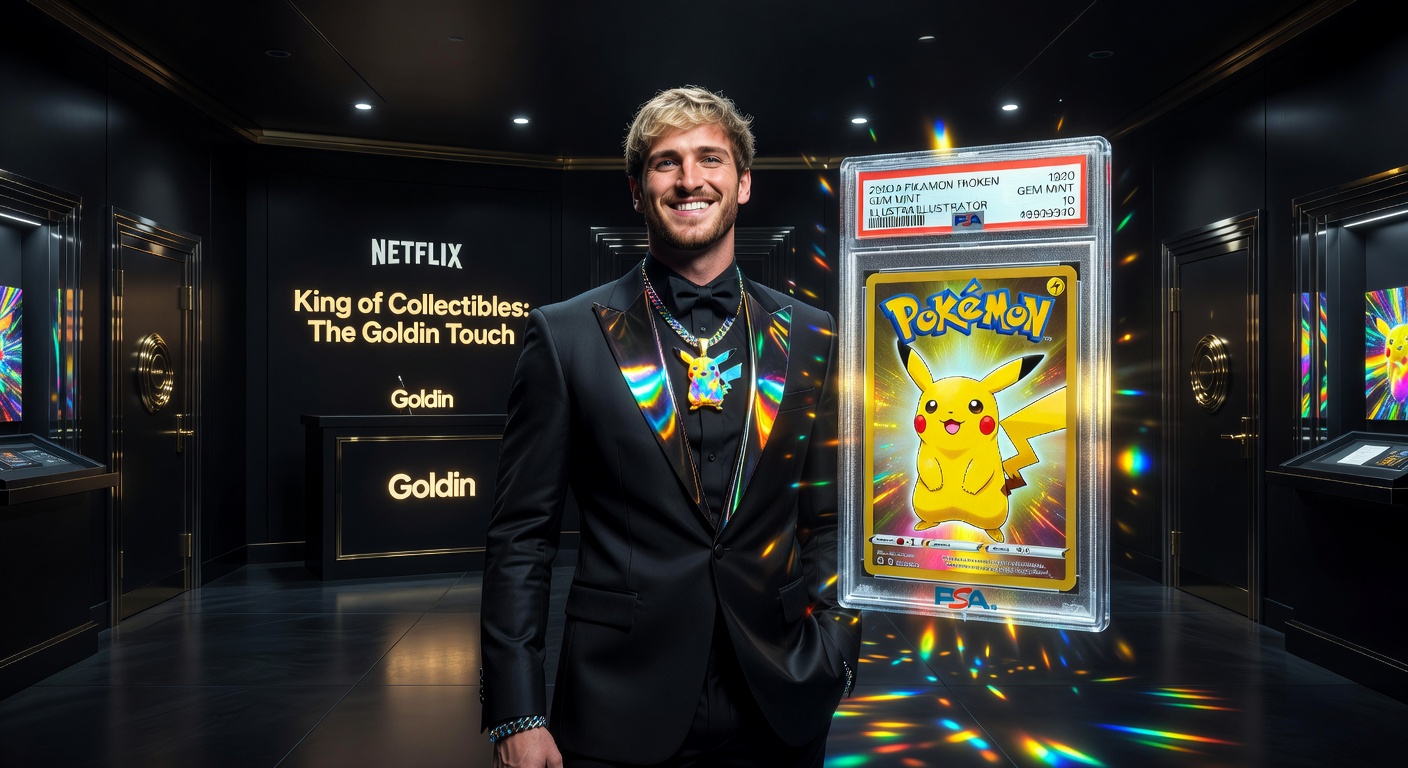
The record-breaking sale of a Pikachu Illustrator card for $16.5 million underscores a pivotal moment in the collectibles market, where trading card games (TCGs) are increasingly viewed as viable high-value investments amid economic uncertainty. This transaction not only eclipses previous benchmarks but also signals to sports card collectors and investors that the demand for rare, graded cards is surging, potentially reshaping portfolio strategies in 2026 and beyond. As traditional assets fluctuate, this sale highlights the potential for TCGs to offer substantial returns, urging collectors to reassess the intrinsic value and scarcity factors driving their collections.
In February 2026, influencer and entrepreneur Logan Paul sold his PSA 10 graded Pikachu Illustrator card for just under $16.5 million through an auction featured on Netflix's *King of Collectibles: The Goldin Touch*. This card, originally from the Pokémon franchise's promotional Illustrator series in the 1990s, is renowned for its rarity and pristine condition, having been authenticated and graded by Professional Sports Authenticator (PSA), a leading authority in card grading. The sale surpasses the prior record held by a Kobe Bryant and Michael Jordan dual autograph sports card, which fetched $12.9 million, marking a significant crossover from sports cards to TCGs and affirming the broadening appeal of collectibles as alternative investments. This event builds on Logan Paul's prominence in the hobby, where his public enthusiasm and high-profile purchases have amplified market visibility, drawing in new investors who see parallels between sports cards and TCGs in terms of cultural significance, grading standards, and long-term appreciation potential.
What This Means for Collectors and Investors
For sports card collectors and investors, this milestone sale amplifies the importance of condition and rarity in determining card values, as the PSA 10 grade was a key factor in achieving such a high price. It suggests that premium TCG cards could experience upward pressure on valuations, prompting collectors to prioritize high-grade assets in their strategies to mitigate risks associated with market volatility. Moreover, the transaction underscores the role of celebrity involvement and media exposure in driving demand, encouraging investors to monitor how public figures like Logan Paul influence trends and potentially create bidding wars for similar items.
Beyond immediate excitement, this event necessitates a strategic review of portfolio diversification, where collectors might weigh the benefits of allocating more resources to TCGs versus traditional sports cards. For instance, the crossover appeal could lead to increased competition for grading services, affecting wait times and costs, which savvy investors should factor into their acquisition plans. Ultimately, this sale serves as a case study for how scarcity and cultural nostalgia intersect with market dynamics, guiding collectors toward more informed decisions on which cards to hold or sell based on emerging trends.
The Bigger Picture
The broader implications of this record sale point to a maturing collectibles market, where TCGs are gaining recognition as legitimate alternative assets alongside sports cards, potentially attracting institutional investors and further stabilizing long-term value preservation. Collectors should watch for ripple effects, such as heightened interest in other Pokémon cards or similar franchises, which could drive overall market growth but also introduce volatility if supply chains for grading or authentication face strain. Forward-looking insights suggest that as digital and physical collectibles converge—perhaps through NFTs or virtual marketplaces—this trend could accelerate, offering new opportunities for investors to capitalize on the intersection of nostalgia and technology.
As a concrete takeaway, sports card collectors and investors should conduct a thorough audit of their holdings, focusing on cards with high grading potential and cultural relevance to align with current market momentum. By staying attuned to auction results and media-driven hype, you can position your collection for sustained growth, ensuring that decisions are grounded in data-driven analysis rather than speculative fervor.