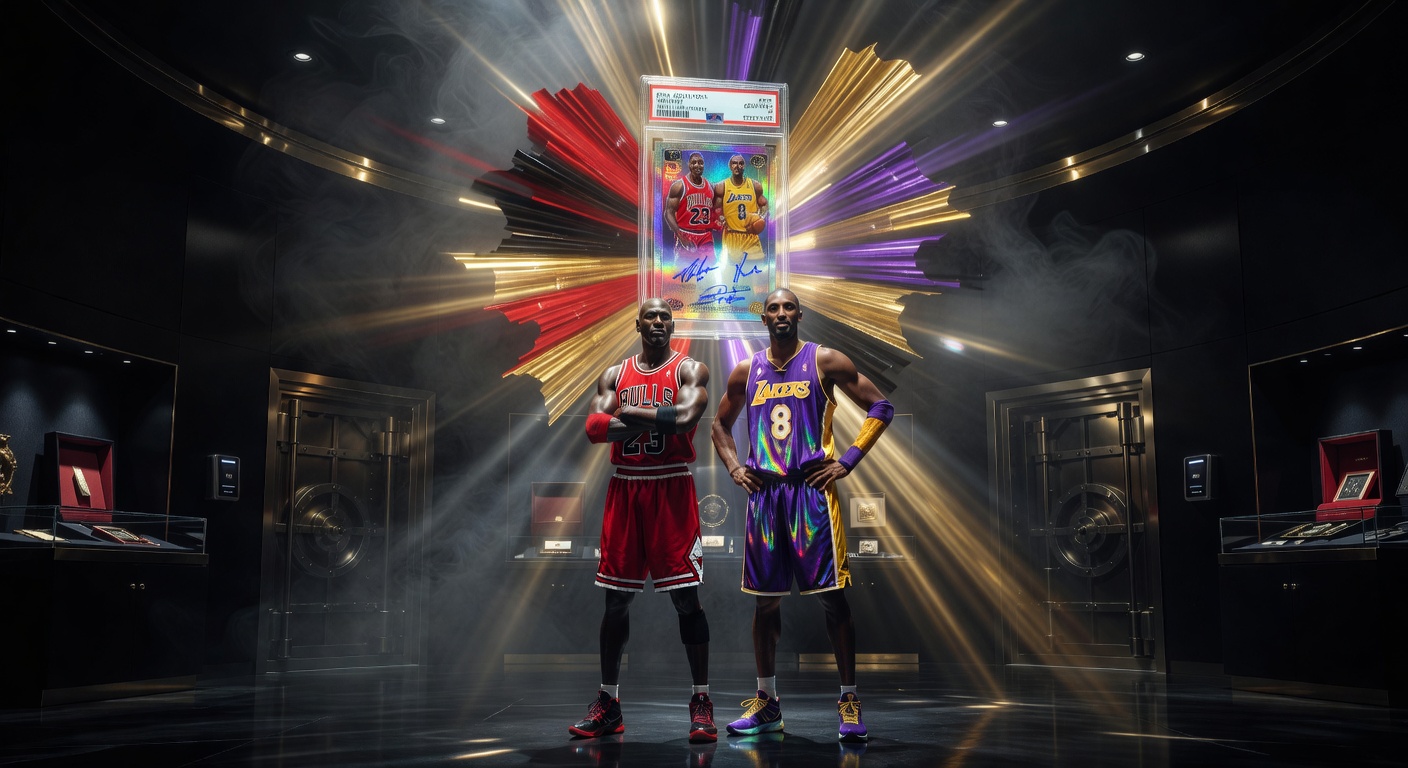
As the sports card market enters early 2026, the frequency of transactions surpassing $1 million highlights a pivotal shift in collector and investor behavior. This surge not only elevates the perceived value of rare, autographed cards but also signals potential opportunities and risks for those navigating this space, urging immediate strategic reassessment to capitalize on rising demand. With autographed vintage cards leading the charge, the market's evolution could redefine how collectors build and protect their portfolios in the face of escalating prices.
The context behind these high-end sales stems from a robust trend where autographed rarities, particularly those featuring basketball icons, are fetching unprecedented sums. In 2025, a dual-signed card featuring Michael Jordan and Kobe Bryant shattered previous records, setting a benchmark that has propelled similar items into the million-dollar realm throughout early 2026. This phenomenon is driven by a combination of nostalgia, scarcity, and the allure of authentication, as collectors and investors alike recognize these cards as tangible assets with appreciating value. The sustained demand underscores a broader market maturation, where sports cards are increasingly viewed as alternative investments comparable to fine art or collectible wines, attracting not just enthusiasts but also institutional buyers seeking diversification.
What This Means for Collectors
For sports card collectors and investors, this wave of million-dollar sales represents both an opportunity for substantial returns and a cautionary tale of heightened market volatility. The dominance of autographed vintage cards means that items with verified signatures, like those from legends such as Jordan and Bryant, are likely to see accelerated appreciation, potentially outpacing other segments of the market. Collectors should prioritize authentication processes, such as those provided by reputable grading services, to ensure their holdings maintain or increase in value amidst growing competition from deep-pocketed buyers. This trend also necessitates a strategic shift toward diversification within collections, balancing high-risk, high-reward pieces with more stable, mid-tier cards to mitigate potential downturns.
Moreover, the persistence of these premium transactions could influence pricing dynamics, making it essential for investors to track auction trends and sales data closely. As demand intensifies, entry-level collectors might face barriers to acquiring top-tier items, prompting a focus on emerging markets or graded rookie cards as alternative growth areas. By analyzing past sales patterns, such as the record-breaking Jordan/Bryant card, investors can refine their strategies to include timed acquisitions or partnerships with dealers, ensuring they remain competitive in a market that's evolving rapidly.
Looking at the broader implications, this trend positions sports cards as a resilient asset class amid fluctuating traditional markets, but it also invites scrutiny on factors like economic stability and collector sentiment. In 2026, watch for potential influences such as global events or shifts in popular culture that could amplify demand for specific athletes or eras, like the ongoing fascination with 1990s basketball cards. Forward-looking insights suggest that as institutional interest grows, the market may see increased regulation or standardization in grading and authentication, which could enhance long-term value but also introduce new costs. Additionally, if Los Angeles continues to emerge as a hub for high-profile sales due to its association with stars like Kobe Bryant, collectors might consider regional dynamics in their investment decisions, potentially expanding opportunities in areas with strong sports heritage.
The Bigger Picture
In the larger context, the rise of million-dollar card sales reinforces sports cards' role as a legitimate alternative investment, paralleling trends in other collectibles and signaling a diversification away from stocks and real estate. This evolution could lead to greater market liquidity, with online platforms and auctions facilitating easier transactions, but it also heightens the risk of bubbles if demand outstrips supply. What to watch includes regulatory changes that might affect taxation on high-value sales or the impact of digital alternatives, like NFTs, which could complement physical cards without directly competing. Forward-looking insight points to sustained growth through 2026, provided that economic conditions remain favorable, encouraging collectors to adapt by integrating technology for better market analysis and portfolio management.
In conclusion, the ongoing surge in million-dollar card sales offers a clear action for collectors and investors: conduct thorough due diligence on acquisitions, focusing on verified rarities and emerging trends to safeguard and grow your collection. By staying proactive—through regular market monitoring and strategic diversification—you can position yourself to thrive in this dynamic environment, turning potential risks into rewarding opportunities.