As the sports card market barrels into 2026 with an explosive wave of million-dollar sales, collectors and investors are witnessing a phenomenon that could redefine portfolio strategies and asset valuations in real time. With forty cards already eclipsing the $1 million threshold since the start of 2025, this surge underscores a robust demand for rare vintage pieces, potentially driving up competition and prices for similar items in the near term. Such activity not only reflects the market's resilience amid economic fluctuations but also prompts immediate reassessment of investment approaches to capitalize on or protect against these upward trends.
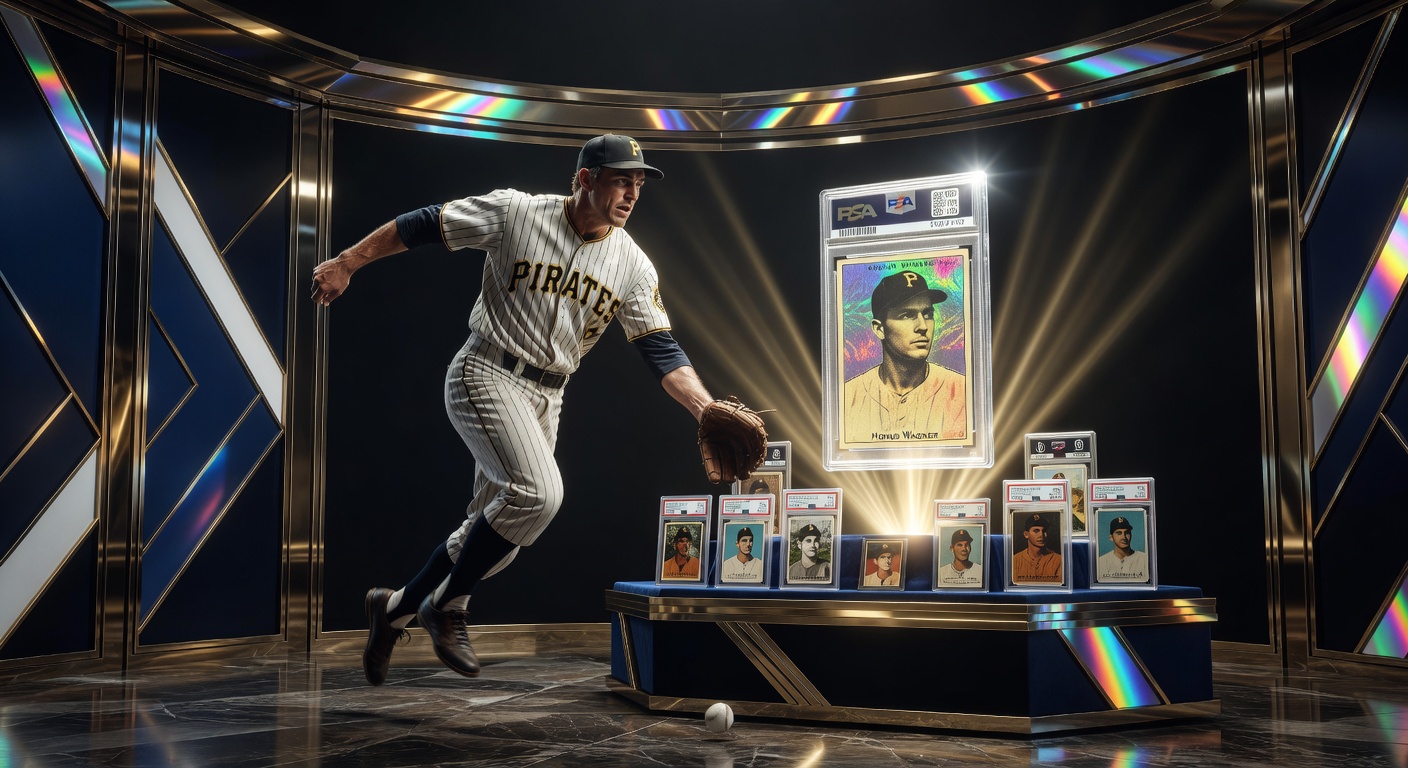
The context of this milestone reveals a market propelled by the allure of historical significance and scarcity, particularly in vintage baseball cards. Since early 2025, forty distinct cards have fetched $1 million or more, with the pinnacle being a 1909-11 T206 Honus Wagner card that sold for $5.1 million on February 21, 2026, highlighting the premium placed on early printings of iconic items. This dominance by vintage baseball cards, especially multiple T206 Honus Wagner variants, stems from their status as cornerstones of collecting, where rarity, condition, and cultural impact converge to inflate values. The hobby is on track to surpass the 2021 record of 43 such sales, with projections pointing toward 50 or more in 2026 alone, indicating a sustained fervor that could elevate overall market benchmarks and influence pricing across various tiers of collectibles.
What This Means for Collectors and Investors
For sports card collectors and investors, this uptick in million-dollar transactions signals a maturation of the market where card values are increasingly tied to verified provenance and historical narratives, urging a strategic pivot toward thorough due diligence. The repeated high sales of T206 Honus Wagner cards, for instance, suggest that focusing on cards with established pedigrees could yield substantial returns, as demand intensifies for pieces that embody baseball's golden era, potentially pushing secondary market prices upward for comparable vintage items. However, this trend also heightens the risk of overvaluation in niche segments, compelling investors to balance aggressive acquisitions with diversification to mitigate exposure to market corrections.
Beyond immediate gains, the data implies evolving market trends that favor authenticated, high-grade cards, prompting collectors to refine their strategies around grading services and auction platforms. As more cards breach the million-dollar barrier, the influx of capital into the space may accelerate the commodification of collectibles, where savvy investors could explore short-term flips of emerging high-demand cards while long-term holders assess holding patterns based on historical sales patterns. This analysis underscores the need for adaptive collector strategy, such as prioritizing cards with strong liquidity and resale potential, to navigate the intensified competition and valuation spikes effectively.
The Bigger Picture
The broader market implications of this record pace suggest a potential escalation in overall collectible valuations, with experts forecasting that sustained high-end sales could draw institutional interest, further institutionalizing the hobby as a legitimate investment class. What to watch includes economic indicators like inflation and interest rates, which might influence buyer behavior, as well as emerging trends in digital authentication technologies that could standardize grading and reduce fraud, thereby bolstering confidence in high-value transactions. Forward-looking insights point to a possible expansion beyond baseball cards, with other sports like basketball or football gaining traction if current momentum persists, offering collectors opportunities to diversify into underrepresented areas before they experience similar valuation surges.
In conclusion, collectors and investors should view this milestone as a call to action: conduct regular portfolio audits to ensure alignment with evolving market trends and prioritize acquisitions of cards with verifiable rarity and demand, such as early vintage baseball issues, to maximize long-term value and strategic positioning in this dynamic landscape.