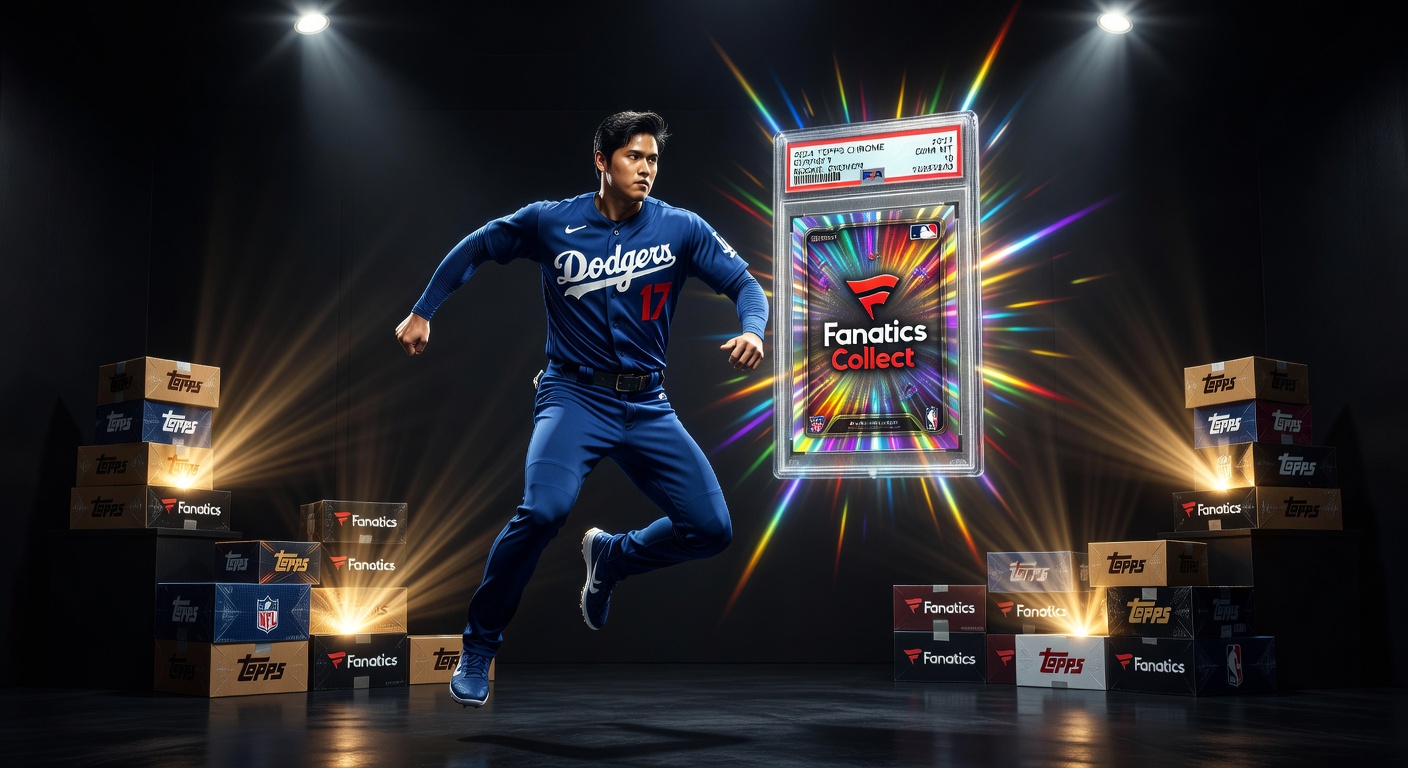
The consolidation of MLB, NFL, and NBA licenses under Fanatics by April 2026 marks a pivotal moment for sports card collectors and investors, as it could reshape market dynamics and influence card values almost immediately. With Fanatics already dominating through its 2022 acquisition of Topps, this full control introduces potential for streamlined product lines and exclusive releases, which might drive up prices for certain cards due to increased scarcity. Collectors and investors must act now to assess their portfolios, as shifts in supply could lead to rapid changes in demand and pricing trends across the sports card market.
Fanatics' journey to this position began with its 2022 purchase of Topps, a move that already gave the company significant influence in the trading card industry by securing MLB rights. Now, extending that dominance to include full control of NFL and NBA licenses by April 2026 means Fanatics will oversee the production, design, and distribution of official cards for all three major leagues. This consolidation stems from strategic agreements that position Topps NFL as the central hub for sports card innovations, potentially phasing out competing products and altering how collectors access new releases. For investors, this development highlights the risks of market concentration, where a single entity controls the flow of authenticated memorabilia, which could stabilize pricing by reducing variability but also create barriers for smaller producers trying to enter the space. In cities like Atlanta, where local sports enthusiasm drives card collecting—such as for the Braves or Falcons—this could mean more targeted product offerings, enhancing the value of region-specific cards tied to popular teams.
What This Means for Collectors
For sports card collectors, Fanatics' expanded control introduces both opportunities and challenges in managing card values and market trends. With Topps NFL set to become the primary source for NFL cards, collectors might see a homogenization of designs and themes across leagues, potentially increasing the desirability of unified sets that appeal to multi-sport enthusiasts and driving up values for cross-over collectibles. However, this could also reduce variety, making older or non-Fanatics produced cards rarer and thus more valuable as niche items; for instance, pre-consolidation cards from other manufacturers might command a scarcity premium, prompting collectors to prioritize acquisitions of these legacy pieces to hedge against future price fluctuations. Strategically, investors should consider diversifying their holdings by focusing on high-demand players from emerging talents, as Fanatics' influence could accelerate the hype around exclusive rookie cards, altering bidding wars in online marketplaces.
Moreover, the shift in product availability necessitates a reevaluation of collection strategies, such as timing purchases around anticipated releases or seeking out graded cards that maintain value amid potential market saturation. Collectors in areas like Denver, known for its avid fan base supporting teams like the Nuggets and Broncos, may need to adapt by networking through local card shows or online communities to secure limited-edition items before they become harder to obtain. This consolidation underscores the importance of staying informed about licensing changes, as they could affect the authenticity and resale potential of cards, urging investors to conduct thorough due diligence on provenance to protect their assets.
The Bigger Picture
In the broader sports card market, Fanatics' dominance could lead to more stable pricing structures by standardizing production and distribution, but it also raises concerns about reduced competition and innovation, which investors should monitor closely for long-term trends. As the company streamlines operations, we might see increased focus on digital integrations, such as NFTs or authenticated digital cards, potentially creating new revenue streams that influence physical card values by offering hybrid collecting options. Looking ahead, collectors need to watch for regulatory responses, like antitrust scrutiny, that could disrupt Fanatics' plans and introduce volatility, while forward-thinking strategies might involve tracking emerging leagues or international sports for diversification opportunities.
Ultimately, the key takeaway for sports card collectors and investors is to proactively adjust strategies in response to this consolidation: start by auditing your collection for high-value items that could appreciate with scarcity and consider allocating resources toward emerging markets or alternative investments to mitigate risks associated with Fanatics' market control.