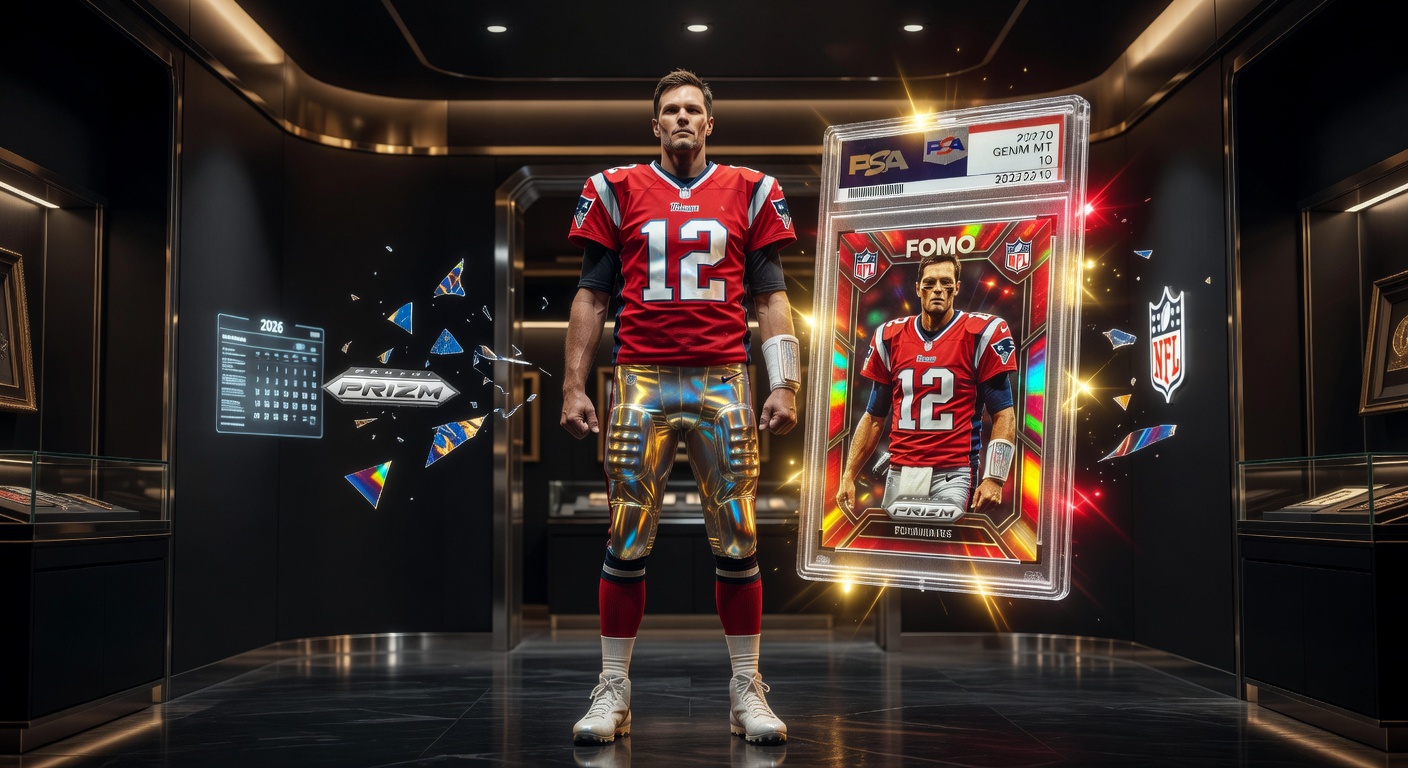
As sports card collectors and investors navigate an ever-evolving market, the upcoming transition of the NFL trading card license to Fanatics in April 2026 demands immediate attention. This shift not only signals the end of a long-standing era dominated by Panini but also promises to alter card valuations and investment opportunities across the board, compelling enthusiasts to reassess their holdings and strategies right away. With Fanatics already securing control over MLB and NBA licenses, this consolidation could accelerate changes in product availability and market dynamics, potentially impacting resale values and collector behaviors in the near term.
Fanatics, a powerhouse in sports merchandise and collectibles, has been steadily expanding its influence in the trading card industry by acquiring exclusive licenses for major leagues. The company first gained traction with MLB and NBA, and now, with the NFL license set to fully transfer in April 2026, Fanatics will command a dominant position across these three key sports. This move effectively concludes the era of Panini, which has been a staple in the market for decades, producing iconic cards that many collectors cherish for their designs, rarity, and historical significance. As Fanatics introduces its own branded product lines, collectors can expect substantial differences, including new aesthetic styles, innovative product formats, and enhanced digital integrations like augmented reality features or blockchain-based authentication. These changes are poised to reshape how cards are produced, distributed, and valued, potentially creating a more unified ecosystem for sports memorabilia that emphasizes exclusivity and technology, while challenging traditional collectors to adapt their approaches to valuation and acquisition.
What This Means for Collectors
For sports card collectors and investors, the Fanatics takeover represents a pivotal moment that could significantly influence card values and market trends. As Panini-era NFL cards become relics of a bygone era, their scarcity and nostalgic appeal might drive up prices in the resale market, offering savvy investors a window to capitalize on this shift by holding or acquiring vintage sets before demand surges. Meanwhile, the introduction of Fanatics' products could introduce volatility; early releases might command premium prices due to their novelty and potential as foundational pieces in new collections, but collectors will need to monitor quality and appeal closely, as differing designs and features could either enhance or erode long-term value depending on fan reception and market adoption.
Beyond immediate valuation changes, this transition urges a strategic overhaul in collector practices. Investors should prioritize diversifying their portfolios to include cards from multiple eras and licensors, mitigating risks associated with a potential monopoly in the market. For instance, focusing on cross-sport opportunities—such as pairing NFL cards with complementary MLB or NBA items—could help maintain balanced exposure, while staying informed about Fanatics' digital innovations might reveal new avenues for growth, like investing in cards with verifiable digital twins that appeal to tech-savvy buyers. Ultimately, this era shift underscores the importance of adaptability, encouraging collectors to engage with online communities and resources for real-time insights on emerging trends and pricing fluctuations.
Additionally, the consolidation of licenses by a single entity like Fanatics could standardize production processes, potentially leading to more consistent quality but also raising concerns about reduced variety in card offerings. Collectors might find themselves needing to adjust their strategies by seeking out limited-edition releases or exclusive variants that Fanatics promotes, as these could become key drivers of future market trends and investment returns.
The Bigger Picture
In the broader landscape, Fanatics' control over NFL, MLB, and NBA licenses could foster a more integrated collectibles market, blending physical cards with digital elements to attract a younger, tech-oriented audience and potentially expanding the overall investor base. However, this consolidation also invites scrutiny over market competition, as reduced options from other licensors might limit innovation and drive up entry barriers for new collectors, influencing long-term card values through supply constraints. Looking ahead, enthusiasts should watch for regulatory responses, such as antitrust reviews, and how Fanatics leverages its position to introduce global distribution or partnerships that could elevate card accessibility and demand in emerging markets.
As a closing note, collectors and investors would be wise to take proactive steps now by auditing their collections, identifying high-potential Panini NFL cards for retention or sale, and preparing for the Fanatics era through education on new product lines. This strategic foresight not only safeguards against potential market disruptions but also positions you to seize emerging opportunities in the evolving world of sports card investing.