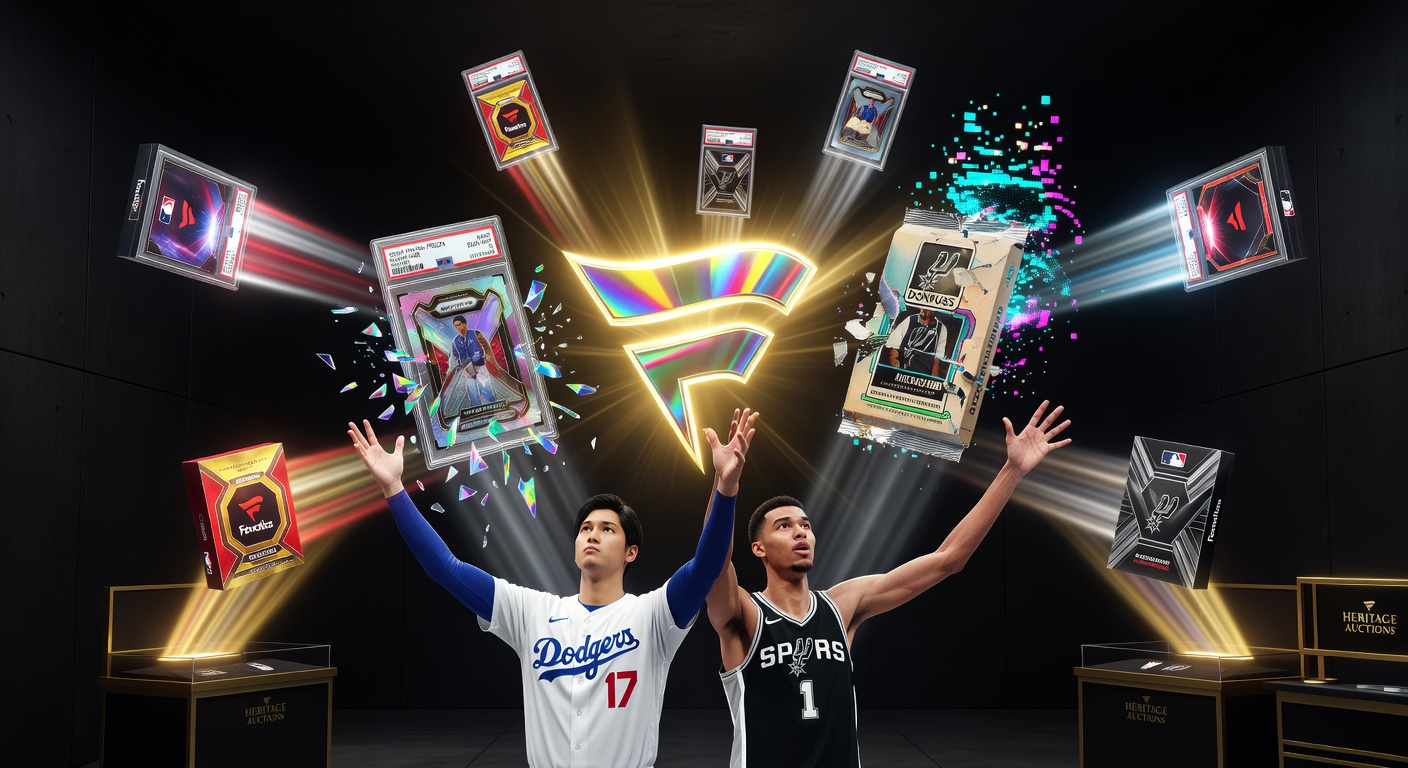
The seismic shift in sports card licensing, with Fanatics set to assume exclusive control of MLB, NFL, and NBA trading cards starting in 2026, is reshaping the hobby right now by forcing collectors and investors to reevaluate their portfolios and strategies amid potential market volatility. Legacy products like Panini Prizm and Donruss are being phased out, which could lead to a surge in demand for current cards as enthusiasts rush to secure pieces of hobby history before the transition. This change not only signals the end of an era for familiar brands but also introduces new opportunities and risks that could alter card values and investment approaches in the immediate term.
Fanatics, a powerhouse in sports merchandise, is stepping into the trading card arena by securing exclusive licensing deals that will retire long-standing product lines such as Panini Prizm and Donruss, which have defined the market for years. This transition, slated for 2026, involves Fanatics rolling out entirely new branded products featuring updated designs, digital integrations like NFTs or online collectibles, and exclusive athlete partnership deals to enhance appeal. The move marks one of the most significant structural changes in the sports card hobby since the early 1990s, when the industry expanded rapidly with the rise of insert cards and rookie debuts. For collectors and investors, this shift stems from Fanatics' broader ambition to dominate sports-related commerce, potentially integrating cards with their existing ecosystem of apparel and memorabilia, which could influence supply chains, production quality, and the overall accessibility of cards in the secondary market.
What This Means for Collectors
As Fanatics takes the reins, collectors should anticipate a potential premium on early-release cards from the new era, positioning them as modern historical artifacts akin to vintage sets from the 1980s. This could drive up values for initial Fanatics products, especially those tied to high-profile athletes through partnership deals, as investors seek to capitalize on scarcity and novelty in a market that thrives on exclusivity. However, the retirement of established lines like Panini Prizm might erode demand for existing inventory, prompting a strategic reassessment: collectors could focus on bulk purchasing current stock to hedge against depreciation, while others might pivot to diversifying into non-licensed or international cards to mitigate risks. Ultimately, this transition underscores the need for a data-driven approach to tracking market trends, such as monitoring auction prices on platforms like eBay, to inform buying decisions and avoid overexposure to fading legacy products.
Beyond immediate value fluctuations, the integration of digital elements in Fanatics' offerings could redefine collector strategies by blending physical cards with virtual assets, potentially creating hybrid collections that appeal to younger demographics. For instance, cards with digital counterparts might command higher prices due to their versatility in online trading or gaming ecosystems, encouraging investors to build portfolios that incorporate both formats for long-term growth. Yet, this evolution also introduces uncertainties, such as how the secondary market will adapt to new authentication standards or distribution models, making it essential for collectors to stay informed on regulatory changes and community feedback to refine their investment tactics effectively.
In this fluid landscape, astute collectors might explore emerging opportunities, like acquiring cards from lesser-known sports or alternative hobbies, to balance their exposure and maintain portfolio resilience against the dominance of Fanatics' new lines.
The Bigger Picture
The broader market implications of Fanatics' takeover could usher in a more consolidated industry, where streamlined licensing leads to greater innovation in card design and digital features, but also raises concerns about reduced competition and its effect on pricing stability. As collectors watch for shifts in supply dynamics—potentially resulting in fewer but higher-quality releases—forward-looking insights suggest that the integration of athlete partnerships could boost card values tied to star players, while digital advancements might expand the global market, attracting tech-savvy investors. Key trends to monitor include the performance of early Fanatics products in auctions and the evolution of secondary market platforms, as these will signal whether the hobby is moving toward a more accessible, tech-driven future or facing barriers from exclusivity deals that could limit entry for casual collectors.
In closing, collectors and investors should take proactive steps by auditing their current holdings, prioritizing cards with enduring appeal like rookie cards from top prospects, and considering strategic sales of legacy products before the 2026 shift fully impacts the market. This focused action will help safeguard investments and position portfolios for success in the evolving sports card landscape.