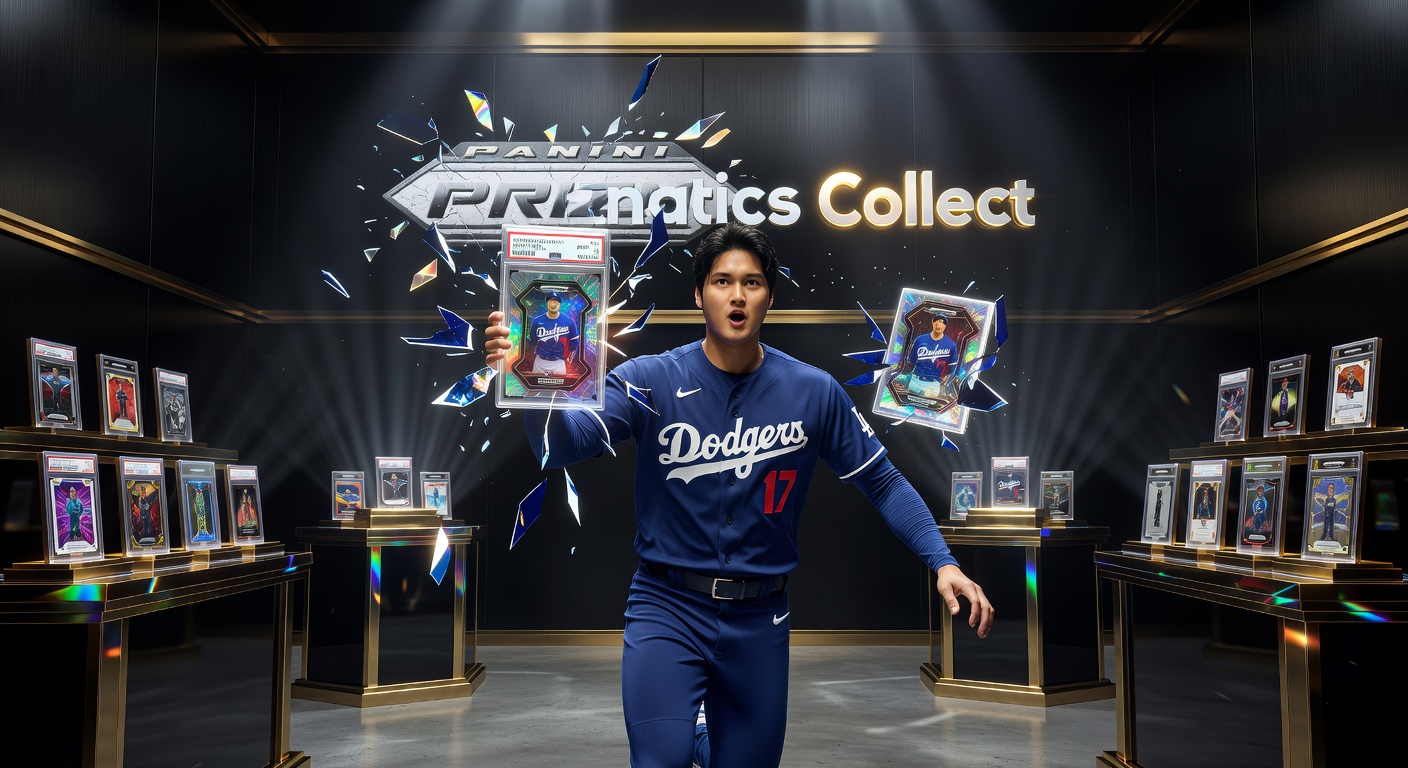
As the sports card market braces for one of its most transformative shifts in recent history, Fanatics' complete takeover of exclusive licensing rights for MLB, NFL, and NBA trading cards by 2026 is reshaping how collectors and investors approach their portfolios. This move signals the end of an era for iconic brands like Panini Prizm and Donruss, potentially driving immediate fluctuations in card values as demand pivots toward Fanatics' new offerings. For those holding legacy cards, the timing is critical, as the transition could elevate the historical significance of pre-2026 releases while creating new opportunities in emerging product lines.
Fanatics, a powerhouse in sports merchandise, has secured full control over trading card licensing for three of the biggest professional sports leagues, effectively retiring long-standing brands that have defined the hobby for decades. This includes phasing out products like Panini Prizm, known for its eye-catching designs and parallels, and Donruss, a staple for its accessible entry-level cards. In their place, Fanatics is introducing fresh branded lines that incorporate innovative elements such as digital integrations—think NFTs and online authenticity features—and expanded partnerships with athletes, which could enhance card appeal through exclusive autographs or memorabilia. This structural overhaul, set to fully take effect in 2026, represents a seismic shift driven by evolving consumer preferences and the industry's push toward modernization, compelling collectors to reassess their strategies amid changing supply chains and market dynamics.
What This Means for Collectors
For sports card collectors and investors, this transition introduces both risks and rewards that directly influence portfolio management and market navigation. Legacy cards from brands like Panini and Donruss may experience a surge in value as they become rarer in the coming years, positioning them as historical artifacts in the hobby. However, the shift in demand toward Fanatics' new products means that collectors who adapt quickly—by acquiring early releases from these lines—could capitalize on the novelty factor, potentially seeing faster appreciation in resale markets as enthusiasts gravitate to the innovative features like digital collectibles.
Beyond immediate value changes, strategic considerations include diversifying holdings to mitigate risks associated with the retirement of established brands. Investors might prioritize cards featuring star athletes with long-term appeal, as Fanatics' expanded athlete partnerships could lead to more authenticated items that hold steady value over time. This evolution also underscores the importance of monitoring auction trends and grading services, which will play a pivotal role in determining how these new cards are perceived and valued in the community.
Moreover, the introduction of digital integrations requires collectors to rethink their strategies, possibly incorporating a blend of physical and virtual assets to stay competitive. As the market adjusts, those who focus on collector strategy—such as building sets that bridge old and new eras—may find themselves better positioned to weather the transition and exploit emerging trends.
The Bigger Picture
The broader implications of Fanatics' dominance extend to reshaping the entire sports card ecosystem, with potential ripple effects on market trends and long-term investment viability. As new product lines gain traction, we could see increased competition in the secondary market, driving innovation in areas like sustainability and accessibility, while also raising concerns about monopolistic practices that might limit variety and affect pricing stability. Looking ahead, collectors should watch for regulatory responses from leagues or antitrust bodies, as well as how Fanatics' digital push influences global participation in the hobby, potentially expanding it to younger demographics through app-based trading.
In closing, savvy collectors and investors should view this as a pivotal moment to audit their collections, focusing on liquidating or securing high-value legacy cards before the market fully shifts. By proactively adapting strategies to include Fanatics' innovations, enthusiasts can not only preserve but also enhance their portfolios in this dynamic landscape.