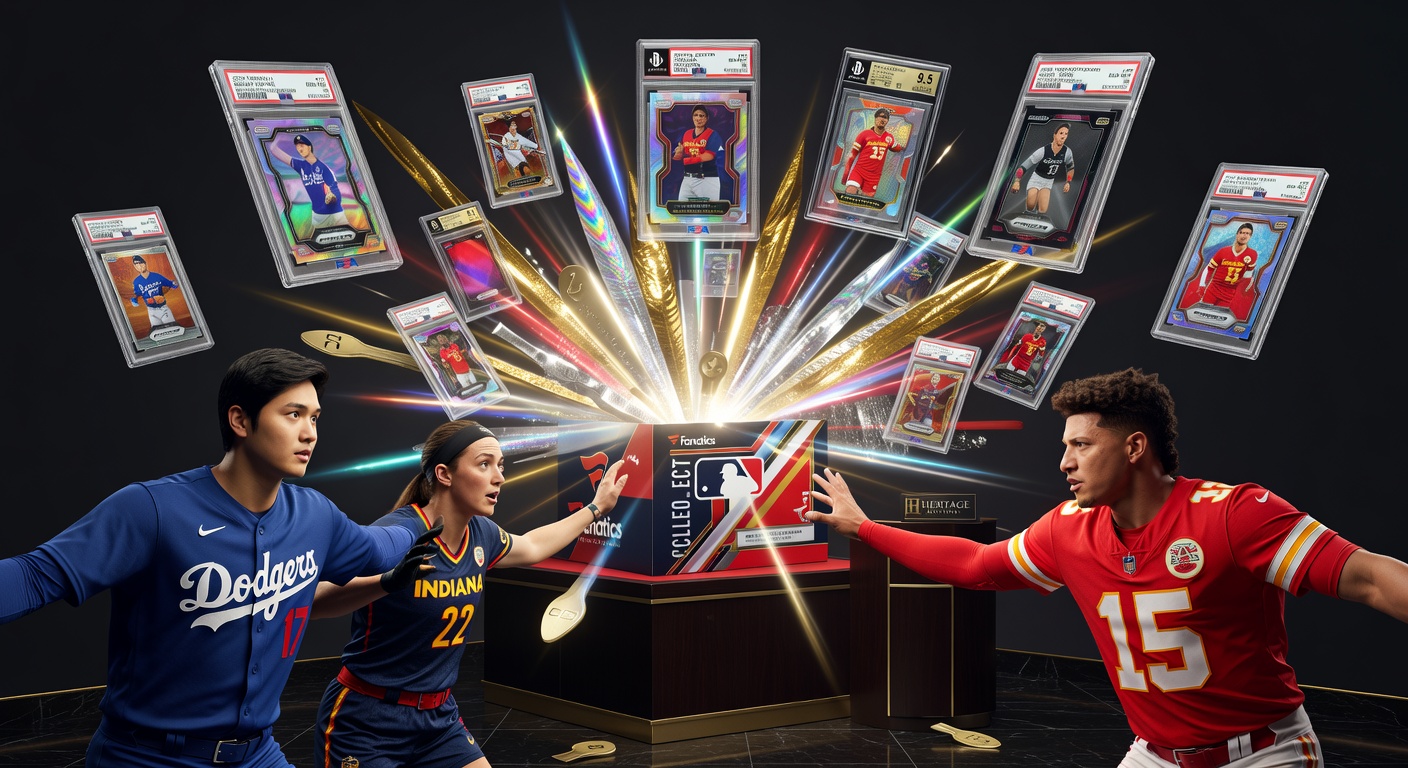
The exclusive takeover of MLB, NFL, and NBA card licensing by Fanatics, effective in 2026, represents a pivotal moment for sports card collectors and investors, as it could drastically alter the availability and perceived value of current products. With legacy lines like Panini Prizm and Donruss set to be retired, collectors face immediate pressure to acquire these cards before they become scarce, potentially driving up secondary market prices and reshaping investment portfolios. This consolidation not only ends an era of competition but also prompts a reevaluation of long-term strategies in a hobby where card values are heavily influenced by supply dynamics and brand loyalty.
Fanatics, a dominant force in sports merchandise, has secured full control over the production and distribution of trading cards for Major League Baseball, the National Football League, and the National Basketball Association starting in 2026. This deal effectively phases out established product lines from competitors, such as Panini Prizm and Donruss, which have been staples in the collecting community for their iconic designs and insert sets. By introducing entirely new branded products, designs, and innovations across these leagues, Fanatics aims to redefine the market, potentially streamlining the supply chain and focusing on digital integration or exclusive releases. For collectors and investors, this shift marks the end of a competitive era where multiple manufacturers vied for market share, influencing market trends through variety in offerings and keeping prices competitive; now, with a single entity in control, the focus will shift to how Fanatics balances innovation with maintaining collector interest to sustain or enhance card values.
What This Means for Collectors
The retirement of familiar brands like Panini Prizm could lead to a surge in demand for existing cards, as enthusiasts rush to complete sets or secure rarities before they vanish from production, directly impacting secondary market values. Collectors might see short-term gains in the value of legacy cards, particularly high-grade or autographed pieces, as scarcity drives bidding wars on platforms like eBay or auction houses. However, this transition also introduces risks, such as potential oversaturation if Fanatics floods the market with new releases, which could dilute the exclusivity that bolsters premium card values; savvy investors should consider diversifying into non-sports cards or alternative collectibles to mitigate these uncertainties and align their strategies with emerging market trends.
Beyond immediate value fluctuations, this change compels collectors to adapt their acquisition strategies, perhaps by prioritizing graded cards from reputable services to preserve long-term worth or exploring Fanatics' upcoming offerings for early investment opportunities. For instance, if Fanatics emphasizes innovative features like augmented reality inserts or limited-edition drops, early adopters could capitalize on novelty-driven demand, turning potential disruptions into strategic advantages. Ultimately, the loss of competition may standardize product quality but reduce variety, urging collectors to assess their portfolios critically and focus on cards with enduring appeal, such as those featuring star athletes, to navigate shifting collector strategies effectively.
Investors, in particular, should prepare for a more controlled ecosystem where Fanatics dictates release schedules and product innovations, potentially influencing overall market volatility. This could mean monitoring for price corrections in legacy cards post-2026, as the excitement of scarcity wanes, and positioning investments toward versatile assets that retain value across industry changes.
The Bigger Picture
In the broader sports card market, Fanatics' consolidation represents a move toward vertical integration, which could streamline production and foster innovation but also raises concerns about reduced competition and its effects on card values and consumer choice. As the company introduces new designs and insert sets, collectors should watch for shifts in market trends, such as increased emphasis on digital collectibles or partnerships with online platforms, which might expand accessibility but challenge traditional collecting norms. Looking ahead, this development could set precedents for other licensing agreements, potentially leading to a more globalized hobby where international fans influence demand, while investors monitor regulatory responses to monopolistic practices that might emerge.
Closing paragraph with a concrete takeaway or action: As this transformation unfolds, collectors and investors are advised to conduct a thorough audit of their collections, focusing on high-demand legacy cards to lock in current values before 2026, and to stay informed on Fanatics' announcements to adapt their strategies proactively in this evolving landscape.