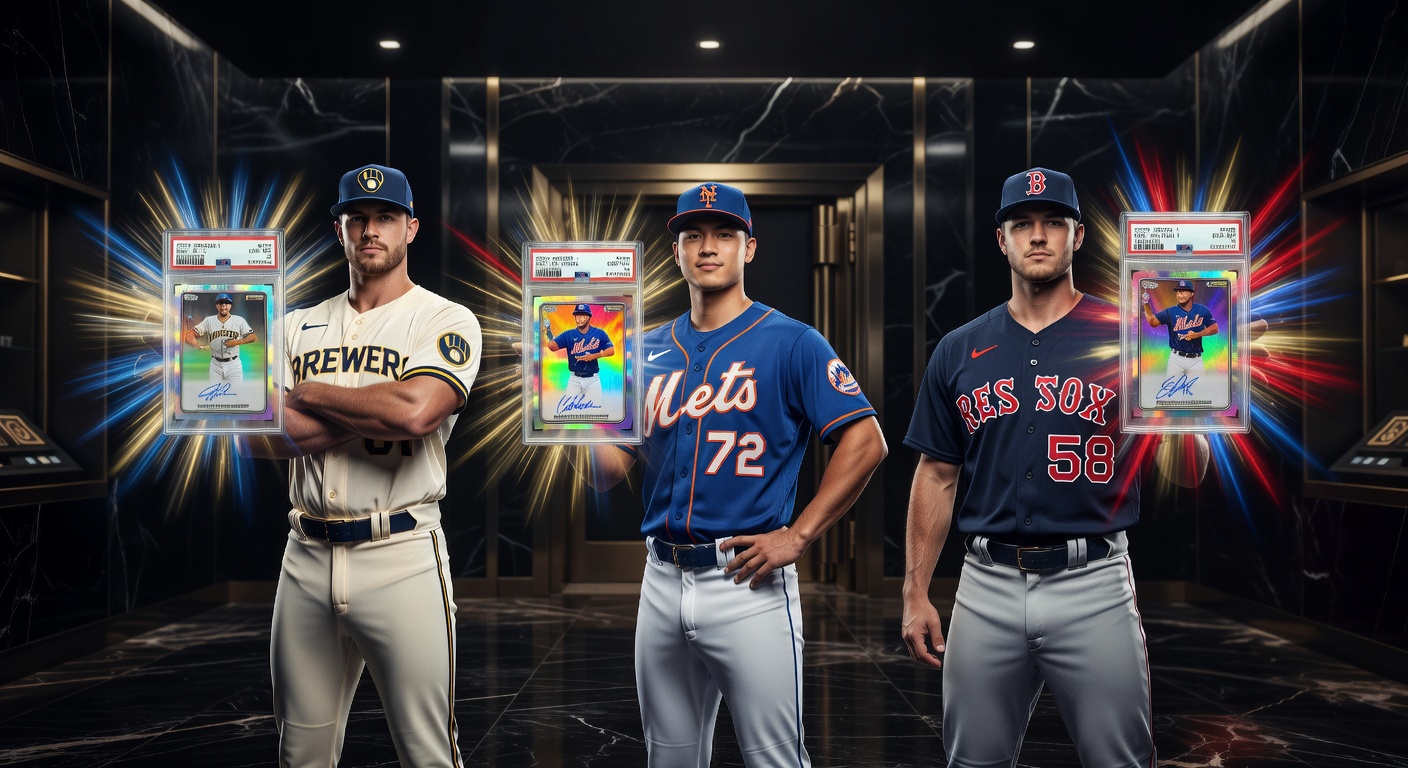
In the fast-paced world of sports card collecting and investing, the announcement of exclusive 1952 design rookie cards in the 2026 Topps Series 1 release is generating immediate excitement and urgency. This marks the final opportunity for collectors to acquire cards featuring this iconic vintage design, paired with on-card autographs from promising prospects like Jacob Misiorowski, Jonah Tong, and Payton Tolle, before it is permanently retired. As these cards enter the market, their scarcity could lead to rapid value appreciation, compelling investors to act swiftly to capitalize on emerging trends and secure potential high-return assets.
The context behind this release stems from Topps' decision to grant exclusive rights to the legendary 1952 design for its 2026 Series 1 product, spotlighting rookie cards of top prospects such as Misiorowski of the Milwaukee Brewers, Tong of the New York Mets, and Tolle of the Boston Red Sox, each authenticated with on-card autographs. This design, revered for its historical significance in baseball card history, will be retired permanently after this release, intentionally creating a limited supply that enhances rarity and desirability. For instance, early comparisons for Misiorowski's 1/1 cards have already surpassed $13,000 on secondary markets, driven by his standout pitching attributes like triple-digit velocity and high strikeout rates, which signal strong potential for future performance and, consequently, card value growth as these players progress through the minors and potentially to the majors.
What This Means for Collectors
For sports card collectors and investors, the introduction of these 1952 design rookie cards represents a strategic opportunity to leverage scarcity as a key driver of market trends. The permanent retirement of the design means that demand could outpace supply quickly, potentially inflating values for these on-card autograph cards in the short term, especially for prospects like Misiorowski who already show promising performance metrics. Collectors might consider diversifying their portfolios by prioritizing cards from players with high upside, such as those with exceptional stats, to align with long-term appreciation trends, while also factoring in the added premium from the vintage aesthetic that appeals to both nostalgic enthusiasts and modern investors.
Beyond immediate value spikes, this release underscores the importance of timing in collector strategy, where early acquisition could yield significant returns as players like Tong and Tolle gain visibility in the leagues. On-card autographs add a layer of authenticity and collectible appeal, often correlating with higher resale values compared to non-autographed variants, prompting investors to evaluate current market conditions and player trajectories carefully. However, this also introduces risks, such as overvaluation if a prospect underperforms, so a balanced approach—combining research on player development with analysis of historical card performance—will be crucial for mitigating potential losses and maximizing gains in a volatile market.
In the broader market landscape, the 2026 Topps Series 1 release could set a precedent for how manufacturers use limited-edition designs to influence card values and investor behavior, potentially leading to increased competition and higher entry barriers for new collectors. As these prospects advance, watch for ripple effects in secondary markets, such as elevated prices for related memorabilia or parallels, and monitor broader trends like the growing emphasis on authenticated items amid rising counterfeit concerns. Forward-looking insights suggest that this scarcity strategy might accelerate the overall appreciation of rookie cards, making it essential for investors to track player statistics and team performances to anticipate which cards will hold or increase value over time.
The Bigger Picture
Looking ahead, the market implications of retiring the 1952 design extend to a potential shift in collector strategies, where emphasis on exclusive releases could drive up premiums for future products and encourage a more speculative investment approach. Investors should keep an eye on how this scarcity model affects liquidity, as the limited availability might create bidding wars that sustain high values for breakout prospects, while also prompting manufacturers to innovate with new design elements to maintain interest. This development highlights the evolving dynamics of the sports card market, where historical designs intersect with modern player potential to shape long-term trends, urging collectors to stay informed on regulatory changes or economic factors that could influence demand.
As a concrete takeaway, sports card collectors and investors should prioritize thorough due diligence on these 2026 prospects, such as reviewing their minor league performances, to inform purchasing decisions and avoid overexposure in a hype-driven market. By acting now to secure these exclusive 1952 design cards, you can position your collection for potential appreciation, but always balance enthusiasm with a strategy focused on diversification and risk assessment to ensure sustained success in the ever-changing landscape of card investing.