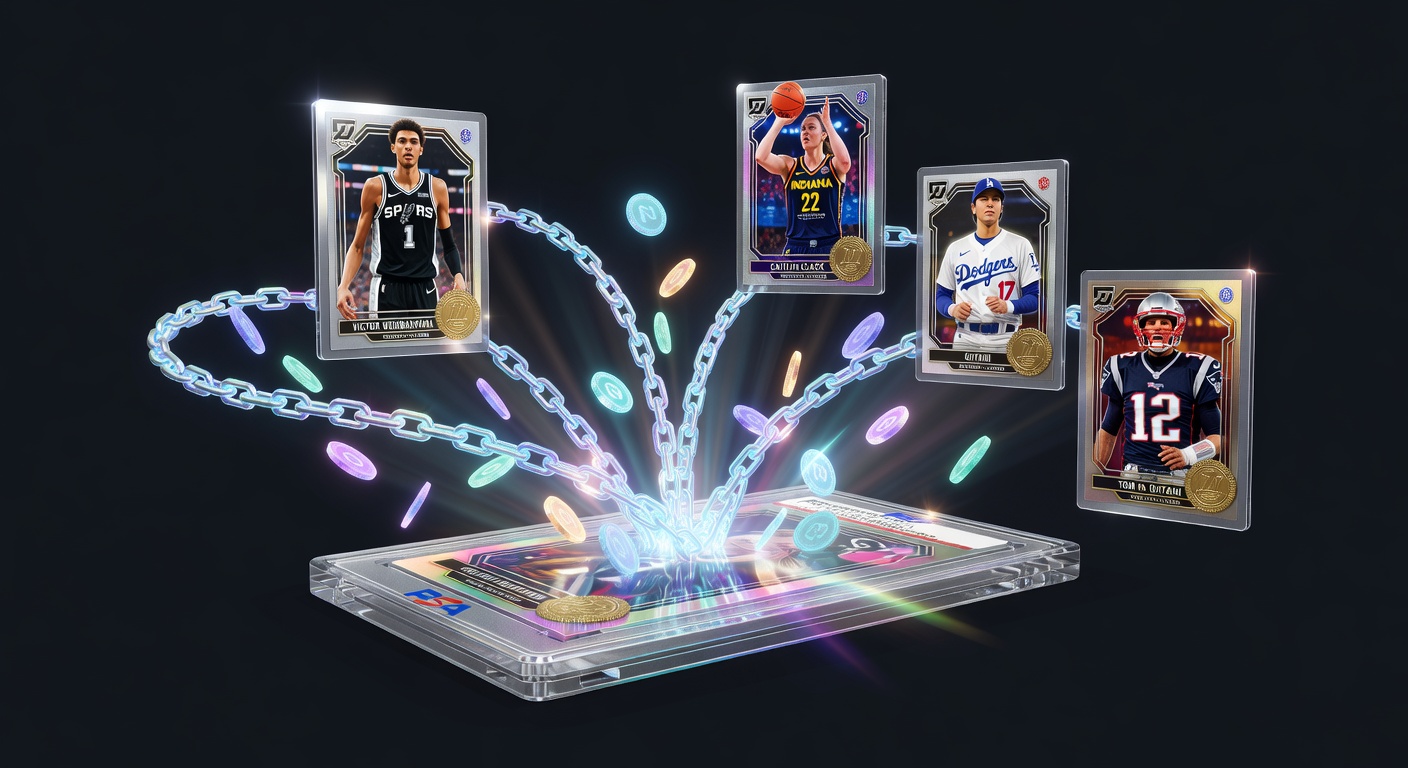
The rise of digital collectibles and blockchain-based cards is reshaping the sports card market at a pivotal moment, as younger investors flock to these assets amid a broader digital transformation in collecting. With major sports leagues now issuing certified digital versions of their memorabilia, traditional card values could see new competition or complementary growth, potentially driving up overall market liquidity and interest. This shift is particularly urgent for collectors and investors, as high-profile sales exceeding $1 million for certain NFT cards highlight the rapid appreciation potential in this emerging sector.
In recent developments, digital platforms leveraging blockchain technology are integrating into the sports card mainstream, offering verifiable ownership and scarcity through non-fungible tokens (NFTs) that mirror the appeal of physical cards. Major sports leagues are capitalizing on this trend by releasing official digital collectibles, which provide collectors with authenticated items that can be traded, displayed, or even used in virtual environments, all while maintaining the excitement of rarity and provenance. This evolution expands accessibility by allowing global participation without the barriers of physical storage or shipping, yet it also raises questions about how digital collectibles interact with traditional card markets. For instance, while physical cards remain tangible assets with established grading systems, blockchain ensures immutability and transparency, potentially enhancing trust and value retention in collections that blend both formats.
What This Means for Collectors
For sports card collectors and investors, the influx of blockchain-based collectibles introduces both opportunities and strategic considerations that could influence portfolio diversification and long-term value. On one hand, the appeal to tech-savvy demographics means increased demand for digital assets, which might elevate the overall market by drawing in new participants who could later crossover to physical cards, thereby boosting prices across the board. Collectors should evaluate how their strategies adapt; for example, investing in hybrid collections that include both physical and digital items could hedge against market volatility, as digital cards offer easier liquidity through online marketplaces, potentially stabilizing returns during economic fluctuations.
However, this shift also necessitates a cautious approach to risk management, as the volatility associated with cryptocurrencies—on which many NFTs rely—could impact card values unexpectedly. Investors might need to prioritize education on blockchain verification to ensure authenticity, avoiding pitfalls like counterfeit digital items that could dilute market trust. Ultimately, by integrating digital collectibles into their strategies, collectors can explore new avenues for growth, such as staking or fractional ownership, which allow for broader participation without the high entry costs of rare physical cards, thus refining their overall approach to asset allocation and trend forecasting.
In terms of market trends, the coexistence of digital and physical formats could lead to innovative crossovers, like redeemable digital cards for physical counterparts, enhancing collector engagement and value retention. This dynamic encourages a more proactive strategy, where investors track platform developments and league partnerships to anticipate which digital releases might appreciate fastest, similar to how limited-edition physical sets drive bidding wars.
The Bigger Picture
The broader market implications of digital collectibles point to a transformed ecosystem, where increased accessibility and new revenue streams for leagues could lead to greater overall participation, potentially inflating demand for both digital and physical cards. As NFT cards gain traction, collectors should watch for regulatory changes around digital assets, which might affect taxation, ownership rights, or platform interoperability, influencing long-term trends in card valuation. Looking ahead, forward-thinking investors might prepare for a more integrated market, where blockchain technology not only complements traditional collecting but also drives innovations like virtual trading events or AI-driven rarity assessments, reshaping how value is perceived and traded in the years to come.
As a concrete takeaway, sports card collectors and investors should begin by researching reputable digital platforms and considering small allocations to blockchain-based collectibles as a way to diversify their holdings, ensuring they stay ahead of evolving market dynamics without overexposing themselves to new risks.